Beyond the Pixel: Ethical Inspiration vs. Plagiarism
written by @patty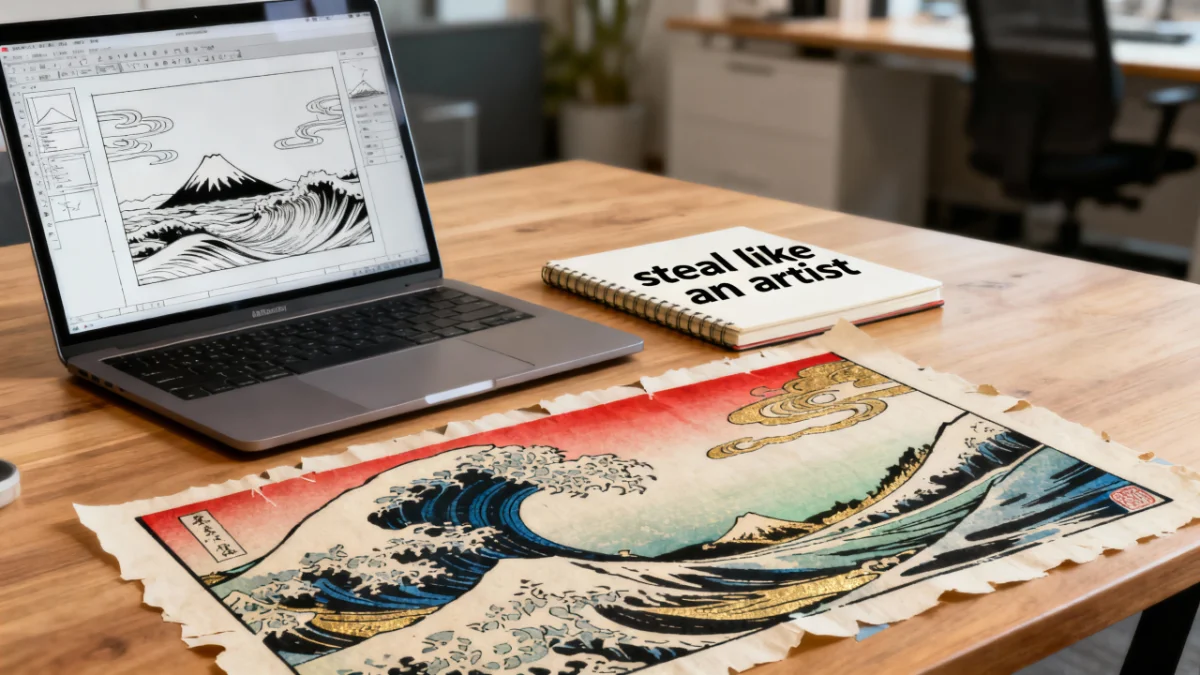
We’ve all been there. You’re scrolling through a site and you see it. The typography is perfect, the layout is clean, and you just think... "Man, I wish I built that."
As creators, we often feel a bit of guilt when we’re inspired by someone else’s work. We’re terrified of being called a copycat. But there is a huge difference between plagiarism and ethical inspiration. One is just being lazy. The other is being strategic.
The Client "Feeling" vs. The Designer "DNA"
When a client sends you a link to a high-end site and says they want something "exactly like this," they aren't usually asking you to steal the code. What they want is the feeling they got. They want their own clients to feel that same wow factor or the clarity of the message.
As designers, we dissect things differently. Our job isn't to be pixel pushers and just copy-paste a layout. We have to look at the DNA of why it works.
- Who is their target audience?
- Am I their target client?
- Is it personality based?
- Why does this specific grid work for their services?
When you break a design down into its parts—the parallax, the fade-ins, or the 3-column cards—you realize that web design is a shared language. Whether it's a hero section or a specific animation, these layouts are pretty standard even if they look different. The "art" happens when you take those elements and apply them to a brand new problem.
The Voice of Authority
To come up with a 100% new idea is actually very rare. Most of the time, even if you think you’ve invented something on your own, it’s already been done or similar to a proof of concept.
This is what "Steal Like an Artist" really means. It’s not an excuse to be lazy. It’s about sharing a personal story and using your own voice. If I was heavily inspired by a unique site, I would even give them credit in a blog post.
The hardest part of the job is bridging the gap between what a client thinks they want and what they actually need. To avoid being a pixel pusher, you have to be the expert. You have to kindly let them know when something won't work for their brand.
"I know you think you want this, but maybe we can try these elements that make you feel wow... but in a way that works for your business."
It's your job to make the client feel understood while staying strategic. If you’re met with constant pushback, that’s how your whole work journey will be. It's okay to say no to potential clients who just want a copycat.
What makes it yours?
At the end of the day, everything is a remix. What makes a design yours is your discernment. When you take a standard layout but inject it with your client's specific voice and your own expertise, you aren't stealing. You’re building.